Commercial Waste in Richmond for businesses that need regular, compliant collection and clear disposal choices
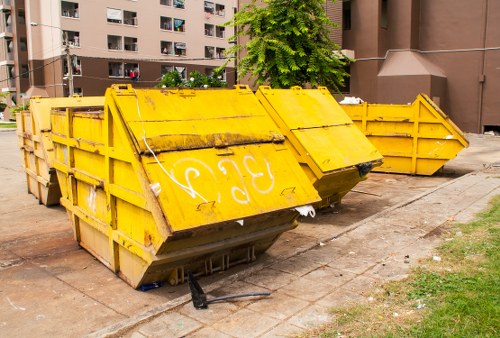
Commercial Waste Richmond covers the collection and disposal of business rubbish from offices, shops, hospitality venues, trade premises and other commercial sites that need a practical, organised service. The focus is on removing waste streams in a way that supports day-to-day operations, with collection tailored to the type and volume of material rather than forcing everything into a one-size-fits-all approach. That can include routine rubbish, heavier mixed loads and materials that need more careful handling.
For many premises, the main value is simple: waste should leave the site without disrupting staff, customers or deliveries. We can manage common commercial materials and work around access, collection points and storage arrangements where these are already in place. If you need a more specific overview of what is included, our business waste removal service page explains the core service in more detail.
To request a quotation, it helps to note the type of waste you have, how often it builds up and whether any items need segregating before collection. A short, clear description is usually enough to begin. If you are ready to compare options, our pricing and quotes page is the best place to start your enquiry.
Office waste and workplace clear-outs
Offices often generate a mix of paper waste, packaging, broken chairs, filing cabinets, small electrical items and general junk that can accumulate around workspaces, stores and back rooms. Office waste removal is useful when a workplace wants to clear clutter without interrupting normal use of the building. It is especially relevant where waste is stored in stages and needs a planned collection rather than a single, last-minute load-out. For a closer look at this type of work, see the office clearance page.
Where furniture and fittings are being replaced, the service may also include desks, shelving, reception furniture and similar items that are no longer needed. That is often the point at which a commercial collection becomes more than simple bin emptying: the task needs attention to size, weight, access and safe movement through shared spaces. Our furniture clearance page is useful when the main concern is removing larger items cleanly and efficiently.
What a workplace collection can cover
Typical office work can include one-off or repeated removal of mixed rubbish, archived paperwork for secure disposal, redundant furniture and packaging from fit-outs or relocations. It can also help where storage rooms, corridors or service areas have become difficult to use because unwanted items have built up. Depending on the material, collections may need sorting before loading so recyclable items, general waste and specialist items do not get mixed without reason.
Retail, trade and mixed commercial premises

Retail units, workshops and other mixed-use premises often produce waste that does not sit neatly within a single category. Packaging, display items, broken stock fixtures, pallet wrap, unsellable goods and general refuse may all need taking away together or in separate streams. A commercial collection is useful when staff need a straightforward way to clear these materials without letting them take over stockrooms or loading bays. The waste removal page gives a broader view of the service approach.
Some loads are mostly lightweight but awkward, while others are heavy, bulky or difficult to stack. That affects how the collection is planned and which items are best grouped together. Where a business is replacing stockroom fittings, shelving or counters, a more targeted removal plan can prevent useful materials being damaged or mixed with ordinary refuse. For those situations, the builders waste clearance page is relevant when the waste includes renovation or fit-out debris.
Useful materials planning matters. A clear description of the waste helps decide what can be collected together and what should be handled separately. If you are unsure whether your load is mainly general commercial rubbish, refurbishment debris or bulky mixed items, it is usually better to describe the full range than to leave things out. That makes the quotation more accurate and the collection easier to organise.
Furniture, fittings and bulky item disposal
Bulky disposal is often one of the most practical parts of commercial waste work because large items are awkward to store and expensive in terms of space. Chairs, tables, cabinets, shelving, counters and similar items can all be removed as part of a commercial clearance when they are no longer needed. Where items are still usable, a business may prefer them to be separated from general rubbish before loading. If the main task is to dispose of a specific type of bulky item, the furniture disposal page can help clarify that service.
Some businesses also need help with soft furnishings and larger household-style items from staff rooms, serviced accommodation or customer-facing areas. Mattresses and sofas require particular attention because they are bulky, awkward to move and not always suitable to combine with ordinary waste. The mattress and sofa disposal page is a relevant destination where these items form the core of the load.
When items are spread across several rooms or levels, planning matters as much as lifting. Stair access, narrow doors, lift use and shared corridors can all affect how the collection is carried out. A sensible approach is to group bulky items near the point of removal where possible, while still keeping walkways safe and usable for staff and visitors.
House, flat and property clearance support for commercial situations

Commercial Waste Richmond is not limited to business premises with desks and stock. Some customers need clearance support in properties managed for letting, refurbishment, relocation or estate work, where the priority is removing unwanted contents in a controlled way. In those cases, a property may contain mixed furniture, general rubbish and loft, garage or storage items that need attention. The house clearance page is one of the clearest places to understand that wider type of clearance work.
Flats and smaller multi-occupancy properties can present different practical issues from larger premises because access points are tighter and waste storage space may be limited. Where this is the main challenge, the flat clearance page describes the kind of work involved when contents need to be removed from a smaller residential or mixed-use setting. That can be helpful for landlords, agents and property managers who need a tidy handover.
Access and separation are the main decisions. A good clearance plan usually considers what is staying, what is leaving and whether any items need to be handled carefully because of their size, weight or condition. If several spaces are involved, it is often simplest to identify the highest-priority rooms first, then work through the rest in order so the process remains manageable.
Garden, garage and storage-area waste
Some commercial sites generate waste away from the main working area. External storage spaces, rear yards, plant rooms and garages can all accumulate debris, broken containers, packaging, offcuts and general unwanted items. When that happens, a targeted clearance can restore the area to practical use without disturbing the rest of the site. For outside materials, the garden clearance page is useful when the waste is mainly green or outdoor-related.
Garages and similar storage spaces often hold a mix of business leftovers rather than a single category of rubbish. Tools, old displays, spare fittings, boxes and long-forgotten equipment can build up over time, making access difficult. The garage clearance page is relevant when the task is to clear a compact but cluttered storage area and sort what should be removed.
Outdoor and storage-area clearances can also involve awkward, dusty or weathered items that are not pleasant to sort by hand. In those cases, it makes sense to describe the condition of the waste as well as the type. That helps set expectations about loading, lifting and any segregation needed before collection begins.
Specialist waste streams and careful handling
Not every commercial load is ordinary mixed rubbish. Some jobs include items that need more careful handling because of safety, recycling or disposal requirements. Common examples can include appliances, confidential paperwork, or materials that should not be mixed with general waste. When appliance removal is part of the job, the fridge and appliance removal page gives a more focused description of that service.
For sensitive paper and records, secure handling matters just as much as removal. Some businesses want files removed from site without leaving them exposed in open bins or shared storage areas. In those cases, the confidential shredding page is relevant because it relates to controlled disposal of documents that should not be treated as ordinary waste.
Hazardous or awkward items require particular care and should only be handled where the service is suitable for the material involved. If the waste includes chemicals, contaminated items or anything that needs special assessment, it should be described plainly from the start. The hazardous waste disposal page is the most relevant destination for that type of enquiry.
What affects the quotation
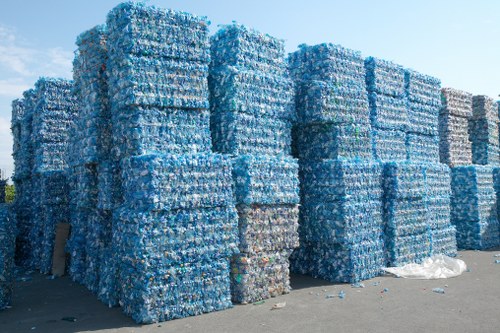
Commercial waste quotations are normally shaped by the type of material, the overall volume, access to the waste and whether items need sorting before collection. A compact load of light packaging is a different task from a mixed clear-out with furniture, fittings and heavier items. The more clearly the waste is described, the easier it is to suggest the right approach. If you need a straightforward reference point, the book online page can help guide the next step.
It also helps to think about whether the collection is a one-off or part of a regular arrangement. Some businesses need occasional clearance after a project or changeover, while others want an ongoing service to prevent waste building up in the first place. Where repeat collections are likely, keeping the waste stream consistent can make planning easier and reduce the need for repeated sorting.
For practical preparation, a simple list is often enough: note the main item types, how many areas are involved, whether anything is especially heavy and whether access is straightforward. If the load contains different materials, mention them separately. Clear details lead to a clearer quotation. You do not need a long explanation; just enough information to identify the work correctly.
Recycling, sorting and responsible disposal
Commercial waste work is not only about taking items away. It also involves deciding which materials can be separated, which should remain together and which need special handling before disposal. That is why businesses often prefer a service that can deal with mixed loads without making them sort everything in advance. Where sustainability is part of the brief, the recycling and sustainability page explains the broader approach to materials recovery and waste diversion.
Different item types are handled differently for good reason. Cardboard, furniture, appliances, paper, broken fittings and general rubbish are not all treated the same way, even if they come from the same premises. A sensible collection plan allows for that variety rather than pretending every load is identical. It is also one reason why accurate descriptions matter before a quotation is agreed.
Businesses that want to reduce avoidable waste sometimes start with the biggest items first. Clearing bulky items can create immediate space, but it can also make it easier to identify what else is actually needed on site. That makes future waste management simpler, because the remaining items can be grouped into more manageable categories rather than left in a single mixed pile.
About Richmond
Richmond is a riverside town in southwest London, set within the London Borough of Richmond upon Thames and closely associated with the curve of the River Thames. Its history runs from a royal settlement and Tudor connections to a later Georgian and Victorian townscape that still gives much of the area its distinct character. Richmond Palace once stood near the river, and while the palace itself no longer survives, the name remains central to the town’s identity. The riverside walk, Richmond Green and the streets leading uphill toward the centre create a layered landscape in which open public space sits beside dense town streets, historic buildings and mature trees. The town also has strong connections with Richmond Park, one of London’s largest Royal Parks, whose deer, heathland and woodland make it a major green expanse on the edge of the urban area. The Thames Path passes through the district, bringing continuous riverside access and long views across the water. Richmond railway and Underground links have long made it an important commuter and retail centre, while the wider borough includes a mix of residential streets, cultural venues and landscaped commons. Nearby Kew, Twickenham and Ham are part of the same borough, yet Richmond retains a separate centre with its own shopping streets, riverside setting and local landmarks. The combination of river frontage, parkland, conservation streets and civic life gives the town a settled but varied atmosphere that has remained recognisable for generations.
Business waste collections that fit the site
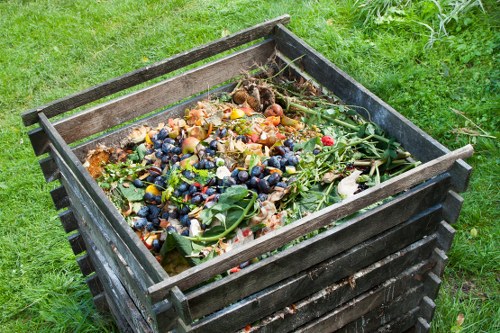
Commercial premises differ widely in how waste is stored and collected. Some sites have rear access and a designated holding area, while others rely on loading from the front or from shared corridors. The best collection plan is the one that fits those realities instead of adding extra disruption. We can work with the practical layout of offices, retail units, workshops and managed properties, so the waste leaves site in an organised way rather than becoming another problem for staff to solve.
Where useful, a collection can be tailored to a particular kind of clearance: a single bulky load, a changeover after refitting, or a series of smaller removals that keep storage areas clear. If you are dealing with more than one waste type, it is sensible to say so up front. That lets the service be shaped around what actually needs to go, rather than around a generic assumption. If you are preparing a request, keep it short and specific.
For the next step, use the details you already have and request a quotation in plain terms. Tell us what needs removing, how much there is and whether access is straightforward. If the job includes specialist items or several different waste streams, mention those as well. For a direct start, the final place to go is our contact us page.